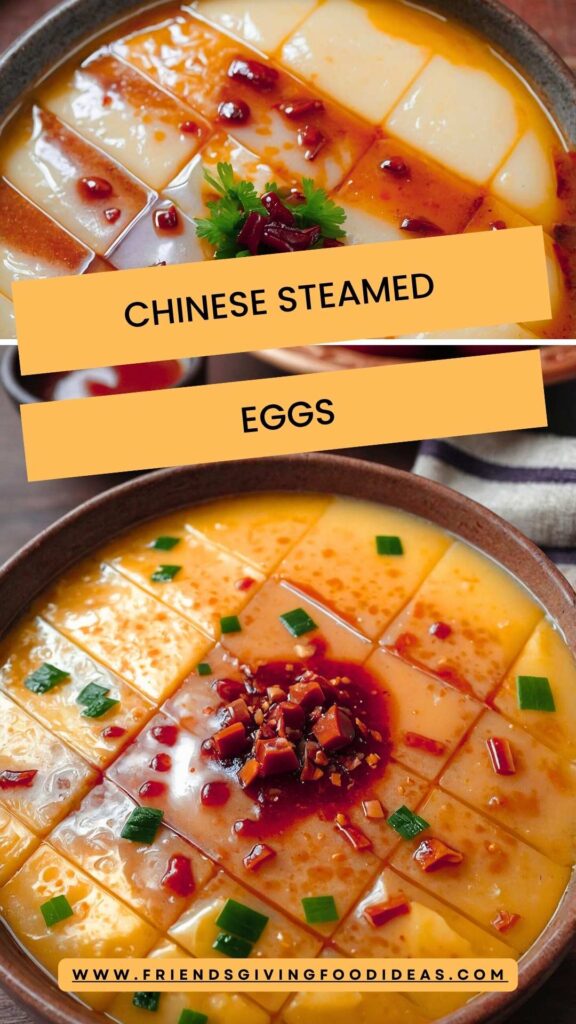
Chinese Steamed Eggs
This post contains affiliate links. As an Amazon Associate I earn from qualifying purchases.
Today, I want to share a dish that has been a cherished part of my family table for generations: Chinese steamed eggs. Before diving into the recipe, let me tell you about the magic of this dish—it pairs perfectly with a bowl of fluffy jasmine rice and stir-fried vegetables. If you’re anything like me, you’ll find that the creamy texture of steamed eggs complements a variety of savory sides. Let’s get cooking!
What is Chinese Steamed Eggs?
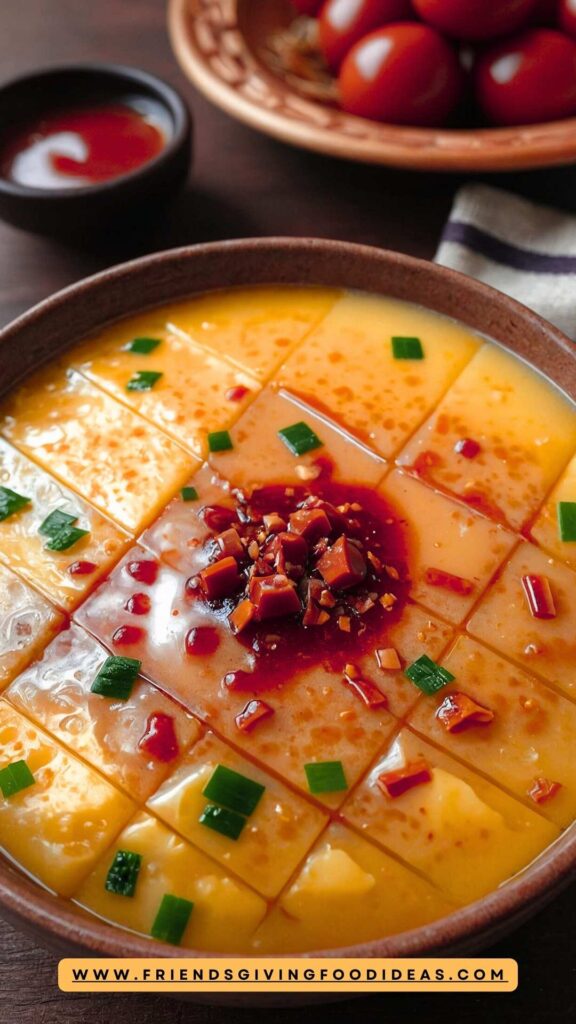
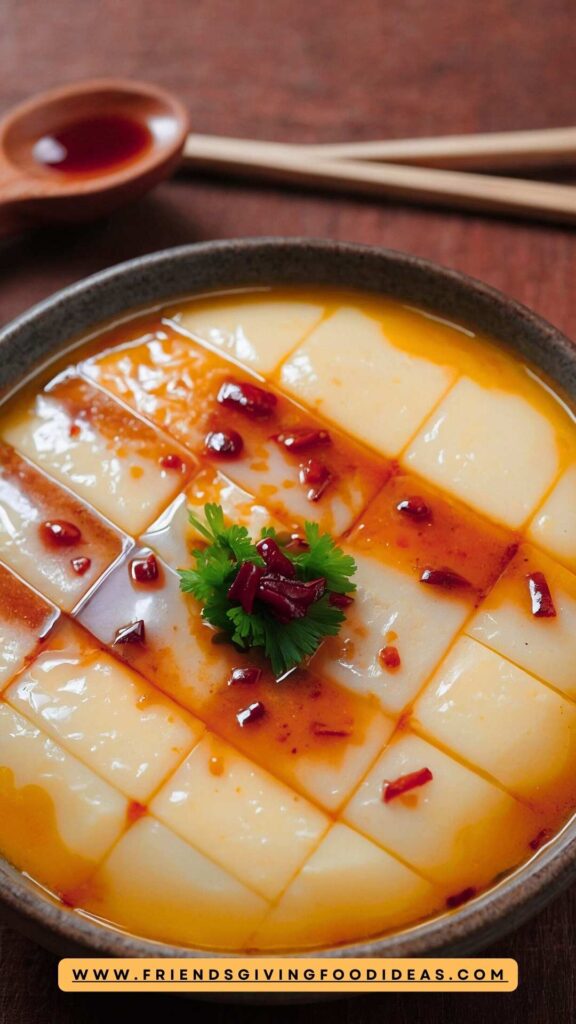
Chinese steamed eggs, or “savory egg custard,” is a delightful dish known for its smooth, silky texture. The secret? It’s all in the cooking method and the balance of ingredients.
This dish is light yet satisfying, making it an ideal accompaniment to any meal. In China, it’s often served as a comforting side dish, showcasing how simple ingredients can create something so delicious.
You Might Also Like These Recipes!
The Ingredients
Here’s a concise list of what you’ll need for this culinary wonder:
- 2 cups vegetable, dashi, or chicken broth: This is the base that will infuse flavor into the eggs.
- 5 large eggs: Freshness is key! Go for free-range eggs for the best taste.
- 1 tablespoon toasted sesame oil: Adds a nutty depth.
- 1.5 tablespoons tamari or soy sauce: For the umami kick.
- 0.5 tablespoon granulated sugar or honey: Balances the savory notes.
- 1 teaspoon mirin (optional): A touch of sweetness enhances the flavor.
- 2 tablespoons finely sliced green onions (scallions): For freshness and color.
- 1 teaspoon grated fresh ginger: Introduces warmth and depth to the dish.
How to Make Chinese Steamed Eggs
Let’s set the stage for deliciousness. While steaming might seem daunting, don’t fret! I’ll guide you through each step. With just a handful of ingredients and a bit of patience, you’ll be savoring this dish in no time.
Step 1: Prepare the Broth
Begin by heating your chosen broth in a medium saucepan over medium heat. You want it hot but not boiling. This broth will enrich the egg custard, so take a moment to appreciate its warmth.
Step 2: Beat the Eggs
In a large mixing bowl, crack the eggs and whisk them gently. Be sure to incorporate a bit of air for fluffiness but avoid over-whisking. The goal is to create a smooth, light mixture.
Step 3: Combine Ingredients
Add the hot broth to the beaten eggs. Gently stir to combine. This step is crucial. The warmth of the broth will help the eggs set beautifully. Stir in the sesame oil, tamari or soy sauce, sugar or honey, and mirin if you’re using it.
Step 4: Strain the Mixture
For a silky texture, strain the egg mixture through a fine mesh sieve into a heatproof bowl. This removes any clumps and ensures smooth custard.
Step 5: Prepare for Steaming
Cover the bowl with aluminum foil to prevent condensation from ruining the custard’s surface. Now, set this bowl in a steamer basket over simmering water. If you don’t have a steamer, a large pot with a lid will do. Just make sure the water doesn’t touch the bowl.
Step 6: Steam the Eggs
Allow the eggs to steam for about 15 to 20 minutes. This is where the magic happens! Keep the lid on during this time to trap the steam.
Step 7: Add Final Touches
Once set (the custard should jiggle slightly), remove it from the steamer. Let it cool slightly before sprinkling the green onions and ginger on top.
Step 8: Serve and Enjoy
This dish can be served warm or at room temperature. Whether as a side or a main feature, you’ll find that its delicate flavors will be a hit at the table.
Notes
Here are a few handy tips for perfecting your Chinese steamed eggs:
- Use fresh eggs. Fresh eggs yield a richer flavor and better texture.
- Do not overbeat the eggs. This prevents too much air from being incorporated, which can lead to a spongy texture.
- Adjust the broth to your taste. You can mix different broths for unique flavors.
- Experiment with toppings. Consider adding a sprinkle of chili oil for heat or a drizzle of soy sauce for extra flavor.
- Don’t rush the steaming. Give it enough time to properly set for the best results.
Storage Tips
You can store leftovers in an airtight container in the refrigerator for up to three days. Reheating is straightforward: simply steam it briefly until warmed through.
Nutrition Information
This dish is not only delicious but also nutritious. Here’s a basic rundown per serving:
- Calories: Approximately 110
- Protein: 10g
- Carbohydrates: 3g
- Fat: 7g
- Fiber: 0g
These numbers can vary based on your specific ingredients, especially if you add extras.
Serving Suggestions
Here are five ideas to enjoy your Chinese steamed eggs in style:
- As a Side Dish: This dish pairs wonderfully with stir-fried bok choy or Szechuan green beans. The crunch of the vegetables contrasts beautifully with the softness of the eggs.
- With Rice: Serve the steamed eggs over a bed of fluffy white rice. This combo is simple yet satisfying. The rice soaks up the flavors perfectly.
- In a Bowl: Create a rice bowl topped with a portion of steamed eggs, sautéed mushrooms, and drizzled with soy sauce. Mix and match ingredients according to your taste!
- Family Style: Serve the steamed eggs on a large platter, garnished with scallions and ginger, for a wonderful family-style meal.
- With Tofu: Pair with silken or fried tofu for an excellent vegetarian option. Add a sprinkle of sesame seeds for added crunch.
What Other Substitutes Can I Use In Chinese Steamed Eggs?
You can get creative with your ingredients! Here are five substitutes you might consider:
- Vegetable broth: If you’re vegan or vegetarian, using vegetable broth keeps the recipe aligned with your dietary needs while maintaining flavor.
- Egg whites: For a lighter version, use egg whites. The texture will be different but still enjoyable.
- Low-sodium soy sauce: If you’re watching your salt intake, opt for low-sodium soy sauce while maintaining the umami flavor.
- Coconut amino: This is a great soy-free alternative, perfect for those avoiding gluten or soy for health reasons.
- Shallots instead of green onions: Shallots bring a milder, sweeter flavor that can complement the dish nicely.
Conclusion
Chinese steamed eggs are more than just a dish; they are a comforting hug in a bowl. With their silky texture and rich flavor, they have become a staple at my family gatherings and a true treasure of our culinary heritage. With this secret family recipe, you can bring a touch of tradition to your table. So go ahead, gather your ingredients, and let the steaming commence. Happy cooking!
You Might Also Like These Latest Recipes!
- Spicy Thai Basil Fried Rice Recipe
- 20-Minute Chinese Steamed Chicken Recipe
- Tofu and Eggs Recipe 10 minutes Only Recipe
Chinese Steamed Eggs – Friendsgiving Food Ideas
Ingredients
Method
- Let’s set the stage for deliciousness. While steaming might seem daunting, don’t fret! I’ll guide you through each step. With just a handful of ingredients and a bit of patience, you’ll be savoring this dish in no time.
- Begin by heating your chosen broth in a medium saucepan over medium heat. You want it hot but not boiling. This broth will enrich the egg custard, so take a moment to appreciate its warmth.
- In a large mixing bowl, crack the eggs and whisk them gently. Be sure to incorporate a bit of air for fluffiness but avoid over-whisking. The goal is to create a smooth, light mixture.
- Add the hot broth to the beaten eggs. Gently stir to combine. This step is crucial. The warmth of the broth will help the eggs set beautifully. Stir in the sesame oil, tamari or soy sauce, sugar or honey, and mirin if you’re using it.
- For a silky texture, strain the egg mixture through a fine mesh sieve into a heatproof bowl. This removes any clumps and ensures smooth custard.
- Cover the bowl with aluminum foil to prevent condensation from ruining the custard’s surface. Now, set this bowl in a steamer basket over simmering water. If you don’t have a steamer, a large pot with a lid will do. Just make sure the water doesn’t touch the bowl.
- Allow the eggs to steam for about 15 to 20 minutes. This is where the magic happens! Keep the lid on during this time to trap the steam.
- Once set (the custard should jiggle slightly), remove it from the steamer. Let it cool slightly before sprinkling the green onions and ginger on top.
- This dish can be served warm or at room temperature. Whether as a side or a main feature, you’ll find that its delicate flavors will be a hit at the table.
Notes
- Use fresh eggs. Fresh eggs yield a richer flavor and better texture.
- Do not overbeat the eggs. This prevents too much air from being incorporated, which can lead to a spongy texture.
- Adjust the broth to your taste. You can mix different broths for unique flavors.
- Experiment with toppings. Consider adding a sprinkle of chili oil for heat or a drizzle of soy sauce for extra flavor.
- Don’t rush the steaming. Give it enough time to properly set for the best results.