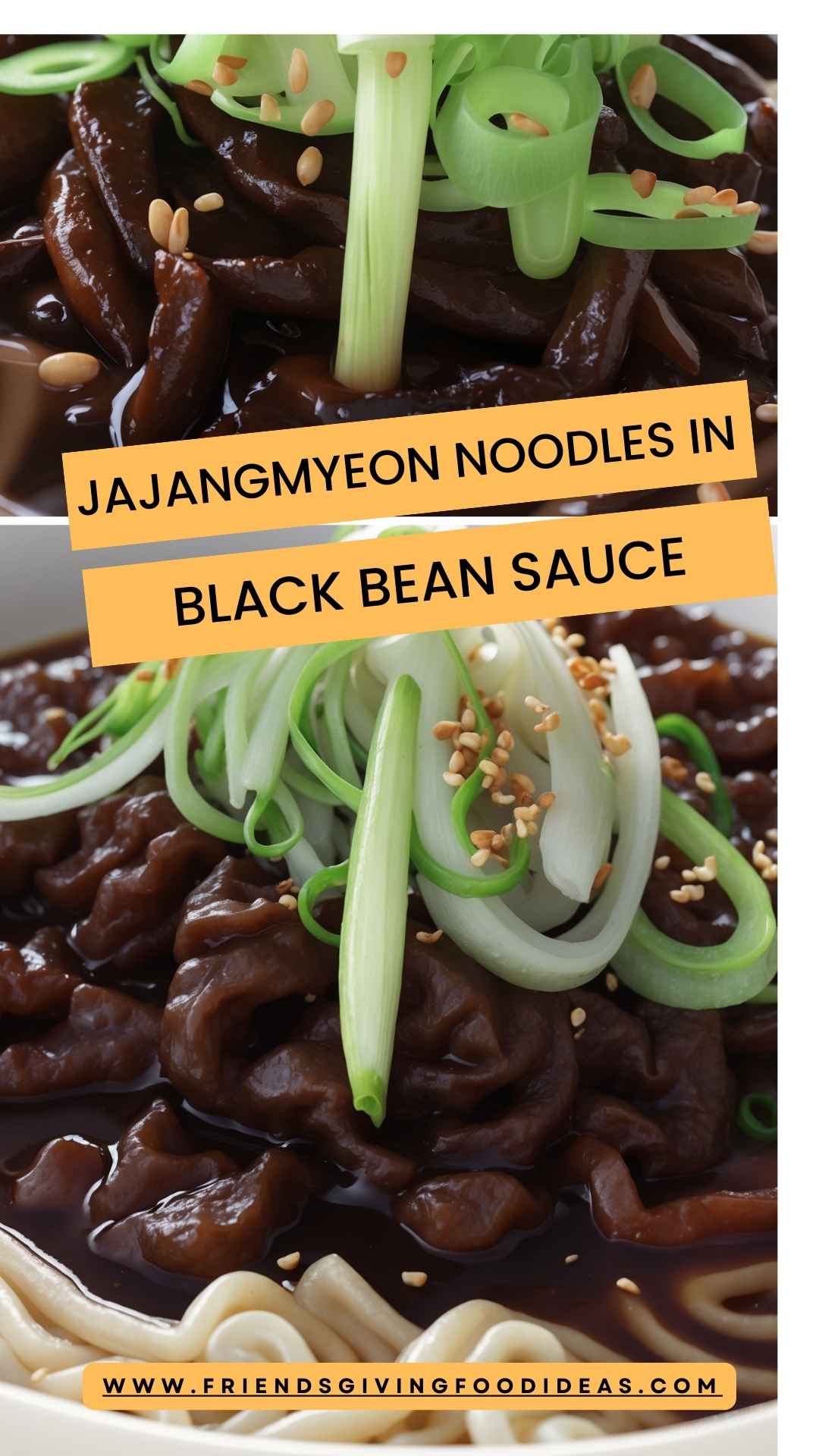
Ingredients
Method
Step 1: Sauté the Onions
- Start by heating the vegetable oil in a large pan over medium heat. Once hot, toss in the chopped onions. Sauté until they’re translucent and fragrant, which should take about 5 minutes. This step builds a flavorful base for the sauce.
Step 2: Cook the Pork Belly
- Add the pork belly to the pan, cooking until nicely browned. The fat from the pork belly will render out, adding a depth of flavor. This should take another 5 to 7 minutes. You want the bits to start crisping up just a bit for that extra bite.
Step 3: Add the Vegetables
- Now, introduce the potatoes, Korean radish, and zucchini to the pan. Stir frequently and cook for about 5 more minutes until everything starts to soften. The colors should begin to brighten, and you’ll notice the enticing aroma filling your space.
Step 4: Mix in the Chunjang
- Stir in the chunjang (black bean paste). Let it cook for a few minutes, stirring to ensure the paste coats all the vegetables and meat evenly. The mixture should darken slightly as it sauté. You’ll release the intense flavors of the black bean paste during this step.
Step 5: Thicken the Sauce
- Pour in a bit of water to adjust the consistency. Next, slowly add the potato starch mixture we prepared earlier, stirring continuously. This will help thicken the sauce, making it cling beautifully to the noodles. Let it simmer for another 3 to 5 minutes.
Step 6: Final Touches
- Finish off with a splash of toasted sesame oil and a teaspoon of honey for a touch of sweetness. Give it a taste and adjust seasoning if necessary. You want a balance of savory, sweet, and umami flavors.
Step 7: Cook the Noodles
- While your sauce is simmering, bring a separate pot of water to a boil. Cook the noodles according to package instructions. Once done, drain and rinse them under cold water to stop the cooking process.
Step 8: Combine and Serve
- Now that you have your noodles and sauce ready, it’s time to combine. Serve the noodles in a bowl and pour that luscious black bean sauce over them. Top it off with the sliced cucumber for that refreshing crunch. Enjoy!
Notes
- Don't Skip the Sautéing: Sautéing the onions and pork belly well makes everything tastier. Patience is key here!
- Use Fresh Ingredients: Fresh vegetables can elevate the dish. Look for vibrant zucchini and Korean radish.
- Taste as You Go: Adjust your seasoning as you cook. Everyone’s palate is different!
- Don’t Overcook the Noodles: Keep an eye on your noodles. Nobody likes mushy spaghetti!
- Garnish Generously: Don’t shy away from garnishing with extra cucumber or sesame seeds; it makes your dish pop visually and adds crunch.