
Ingredients
Method
Step 1: Prepare Your Marinade Foundation
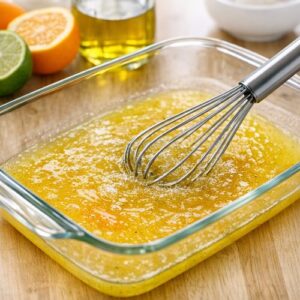
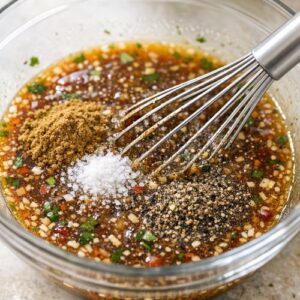
- Begin by whisking together your citrus juices, apple cider vinegar, and olive oil in a large glass baking dish. Glass is essential here—never use metal or reactive surfaces, as the citric acid will interact with the container and create metallic flavors. The whisk creates an emulsion, helping the oil and acidic liquids combine rather than separate. This step should take about two minutes of vigorous whisking.
Step 2: Build Your Aromatic Base
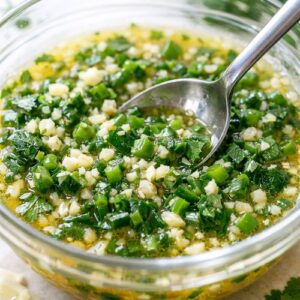
- Add your minced garlic, seeded jalapeño, and chopped cilantro to the citrus mixture. Stir thoroughly to distribute the aromatics evenly. This is where your marinade develops its characteristic flavor profile—the fresh herbs and heat from the jalapeño will infuse into the liquid as it sits. Let this mixture rest for just five minutes before adding the meat, allowing flavors to begin melding.
Step 3: Season and Combine
- Sprinkle your ground cumin, kosher salt, and freshly ground black pepper into the marinade and whisk until the spices are fully incorporated and no clumps remain. The salt serves dual purposes—it seasons the meat and helps the proteins relax slightly, allowing the marinade to penetrate more deeply. This is a critical but often overlooked step.
Step 4: Prepare and Marinate the Meat
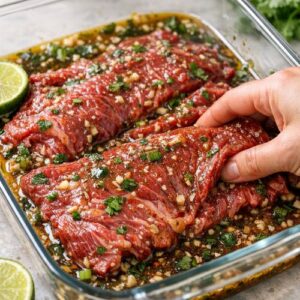
- Place your trimmed skirt steak in the glass baking dish with the prepared marinade. Turn the meat several times to ensure both sides are thoroughly coated, then arrange it in a single layer. Cover the dish tightly with plastic wrap and refrigerate. The traditional window is at least two hours but never more than eight hours. Over-marinating breaks down the muscle fibers too aggressively, resulting in mushy rather than tender meat. Ideally, four to six hours achieves perfect tenderness while maintaining the meat's integrity.
Step 5: Prepare Your Grilling Station
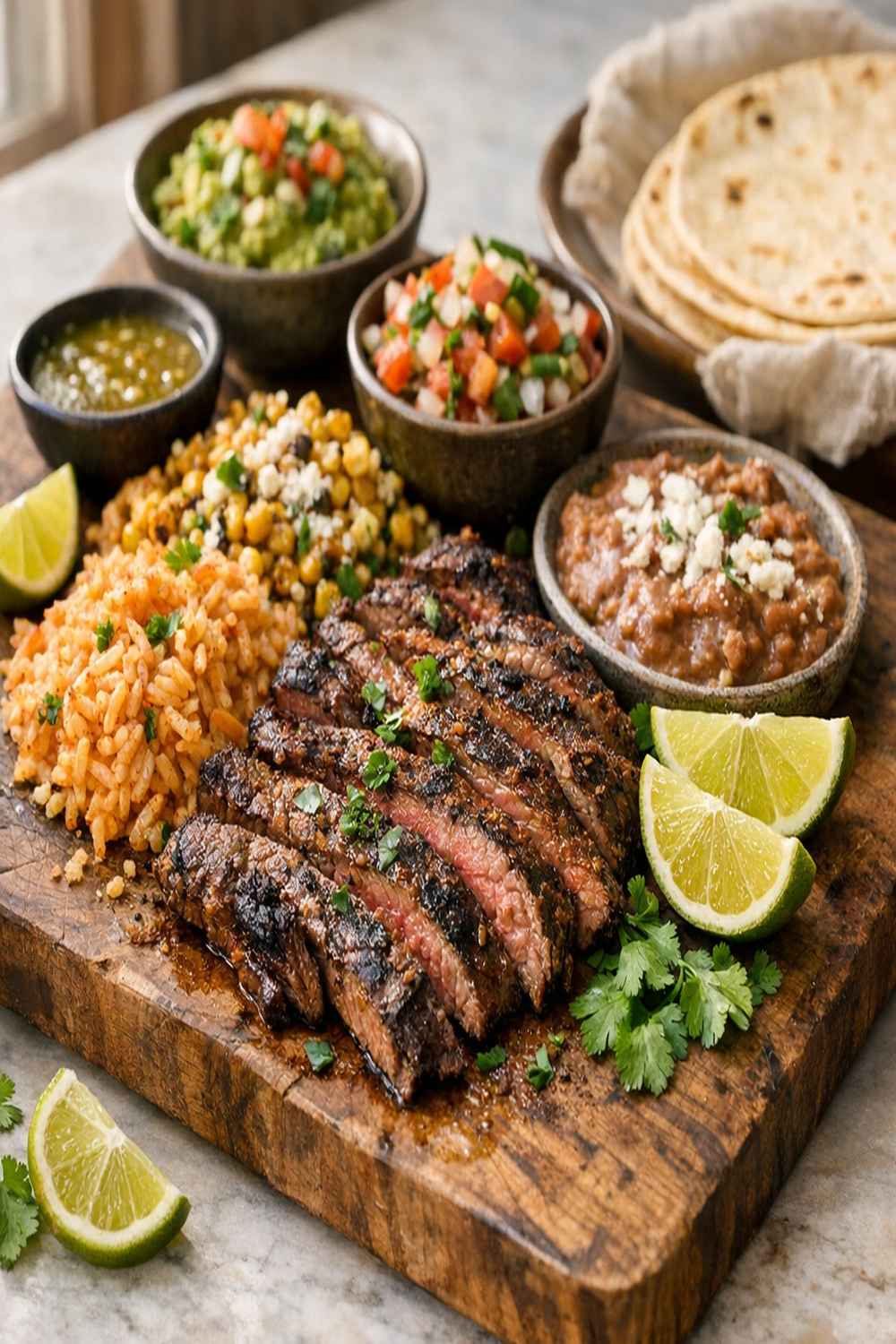
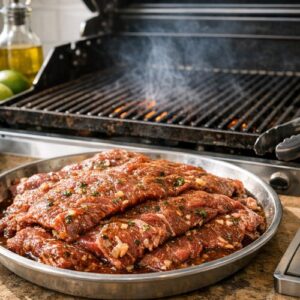
- About 20 minutes before cooking, remove your marinated meat from the refrigerator to bring it closer to room temperature. Preheat your grill to medium-high heat, aiming for a temperature around 400-450°F if your grill has a thermometer. While the grill heats, set up your resting station—a clean cutting board, a sharp knife for slicing against the grain, and warm tortillas wrapped in a cloth to stay soft.
Step 6: Grill With Purpose and Precision
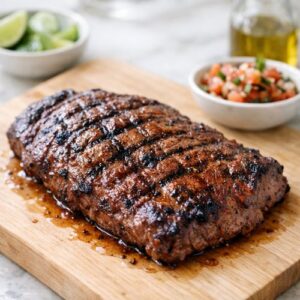
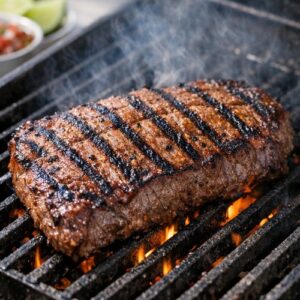
- Place the steak directly on the grill grates and cook for seven to ten minutes on the first side without moving it. This creates the characteristic caramelized crust that defines authentic carne asada. The Maillard reaction—the chemical process creating brown, flavorful compounds—requires undisturbed heat. Resist the urge to flip or move the meat. After this time, turn the steak exactly once and cook the second side for another seven to ten minutes for medium-rare doneness.
Step 7: Rest and Slice With Intention
- Transfer your grilled steak to a clean cutting board and let it rest for five minutes. This brief resting period allows the muscle fibers to relax and reabsorb some of the released juices, ensuring maximum tenderness. After resting, slice the meat thinly against the grain—this means cutting perpendicular to the muscle fiber direction, which further shortens the fibers and creates the tender, melt-in-your-mouth texture essential to authentic carne asada. Serve immediately while still warm.