
Ingredients
Method
Step 1: Season Your Fish with Intention
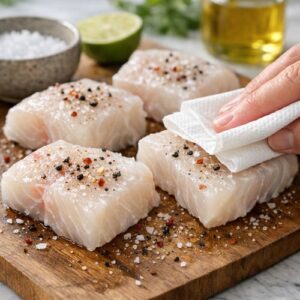
- Rinse your fish pieces under cool water and pat them thoroughly dry with paper towels—this matters more than you might think. Dry fish looks glossier and more appetizing when cooked. Cut the fish into 2-inch pieces and place them in a shallow bowl. Add half a teaspoon of salt, the zest from half your lime, and about a tablespoon of fresh lime juice. Gently massage this mixture into the fish pieces, coating them evenly. This gentle massage tenderizes the fish while the lime begins to "cook" the exterior slightly, ensuring beautiful presentation. Let this sit at room temperature while you prepare your other ingredients—about 15 minutes is perfect. This prep-ahead step means less rushing when you're ready to nestle the fish into the stew.
Step 2: Build Your Flavor Foundation
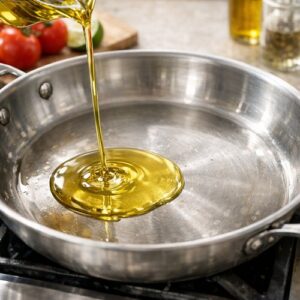
- Pour 3 tablespoons of your oil into a large, heavy-bottomed sauté pan (I love using my favorite 12-inch skillet for this) and heat it over medium-high heat for about two minutes. When you see a slight shimmer across the surface, add your diced red onion along with a pinch of salt. Sauté for 2-3 minutes, stirring occasionally, until the onions become translucent and fragrant. Don't rush this step—the onions are building the aromatic backbone of your entire dish. You should see them soften and become glossy, releasing their natural sweetness.
Step 3: Create a Rainbow of Vegetables
- Reduce your heat to medium and add the diced carrots, red bell pepper, chopped garlic, and finely diced jalapeño. Stir everything together and let it cook for 4-5 minutes, stirring occasionally. You want to hear a gentle sizzle—not an aggressive pop. This is where the magic of color really comes together. The vegetables will soften slightly while releasing their essential oils, creating an incredibly fragrant moment in your kitchen. This is exactly the kind of sensory experience that makes people excited about what's coming. The carrots will begin to brighten, the garlic will turn golden at the edges, and the whole pan will smell like a warm, welcoming hug.

Step 4: Add Depth with Tomato Paste and Spices
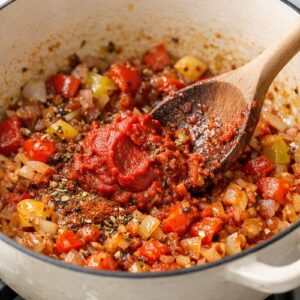
- Stir in one tablespoon of tomato paste, coating all the vegetables. Let this cook for about 1 minute—you'll see it deepen in color and become more concentrated. Now add your paprika and ground cumin, stirring constantly for about 30 seconds to release their essential oils and prevent burning. These spices are what transform this from "nice fish dish" to "authentic Brazilian experience." The paprika adds warmth and a gorgeous rust-toned hue, while the cumin brings earthiness that grounds the sweetness of the coconut.
Step 5: Build Your Aromatic Broth
- Pour in your fish or chicken stock and stir everything together, making sure to scrape up any browned bits from the bottom of the pan—those are pure flavor. Bring the mixture to a gentle simmer, then add your diced tomatoes. Fresh tomatoes create visible texture throughout the broth, making the final dish feel more vibrant and intentional. If you're using canned, choose diced tomatoes in their own juice rather than a sauce, and make sure to include all the liquid. Cover your pan partially (leaving a small gap for steam to escape) and let everything simmer gently for about 5 minutes, until the carrots are just becoming tender.

Step 6: Introduce the Creamy Element
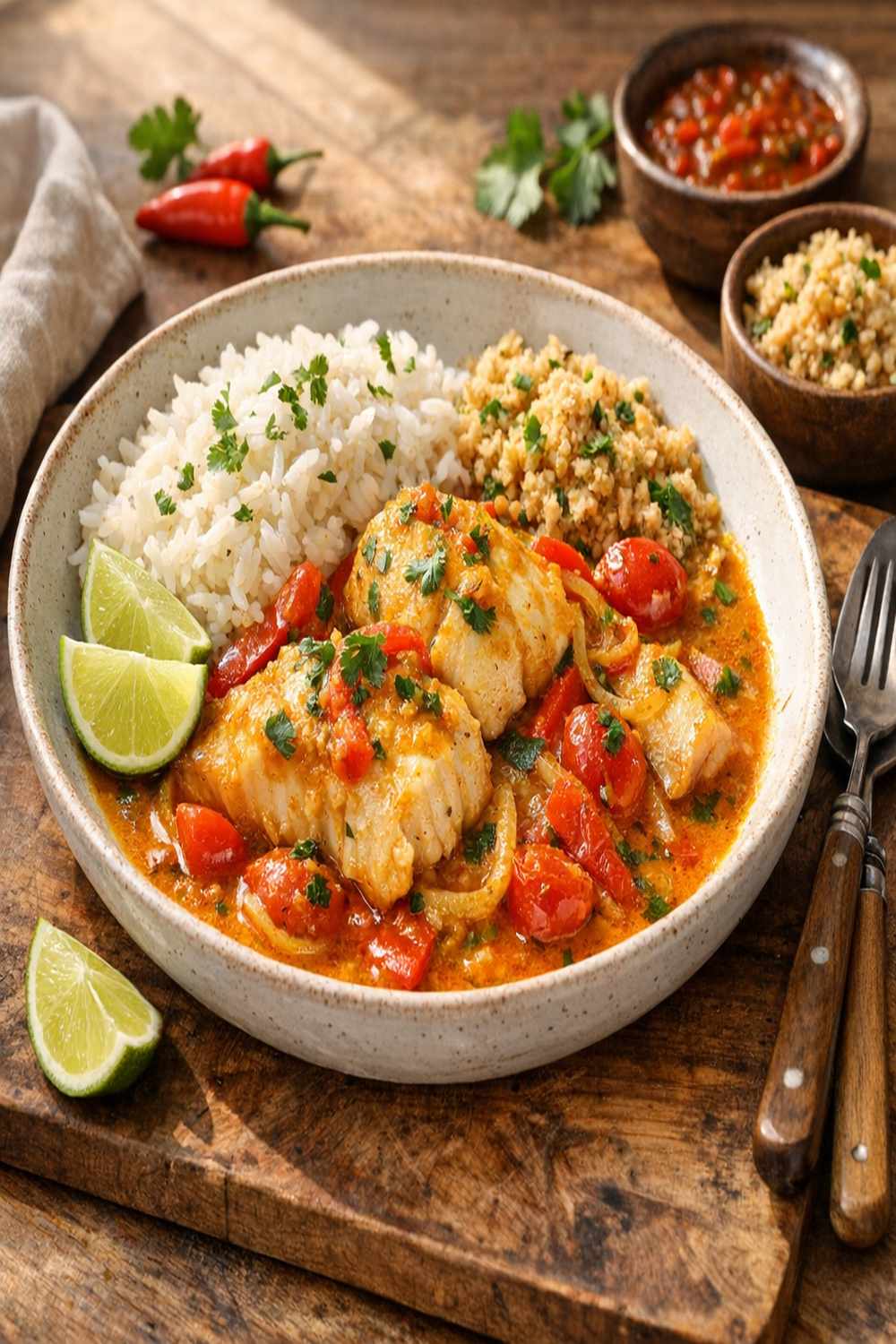
- Stir in your full can of coconut milk, including both the cream and liquid. This is the moment everything becomes absolutely beautiful—the broth transforms into a gorgeous, warm peachy-gold color that looks like liquid silk. Taste your stew now and add more salt if needed. Remember that the fish will add its own delicate flavor, so you want the broth to be slightly seasoned but not overpowering. This is an excellent stopping point if you're making this ahead for a gathering—let it cool completely, store it in the refrigerator for up to 48 hours, then gently reheat it before adding the fish.

Step 7: Nestle the Fish into Its Bed of Flavor
- Gently place your prepared fish pieces directly into the simmering stew, spacing them out so they're mostly submerged but touching the broth. Spoon some of the beautiful golden broth over the top of each piece—this ensures even cooking and gorgeous presentation. Reduce your heat to medium-low and let the fish cook gently for 4-6 minutes, depending on the thickness of your pieces. The thicker your fish, the longer it needs. You'll know it's done when the fish flakes easily with a fork and has turned opaque throughout. If you're nervous about timing, you can transfer the whole pan to a 350°F oven and let it finish there—this creates the most gentle, even cooking and makes it easy to check doneness without disturbing the fish.

Step 8: Final Seasoning and Brightness
- Remove the pan from heat and taste your stew one final time. Add more salt if needed, then squeeze fresh lime juice over the entire pan. This final squeeze of brightness is essential—it cuts through the richness of the coconut, wakes up all the spices, and makes the fish taste fresher than fresh. The lime juice also enhances the visual appeal, adding a subtle shimmer to the broth.

Notes
- Catch natural side lighting - The golden broth is this dish's greatest visual asset. Position your bowl so light comes from the side or slightly behind it, which makes the broth glow and the fish look luminous. Avoid harsh overhead lighting, which flattens the gorgeous colors.
- Shoot from slightly above at a 45-degree angle - This angle captures the height of the rice, shows the beautiful arrangement of vegetables, and lets you see the creamy broth pooling around everything. It's the most flattering angle for stew-style dishes.
- Include the props that tell your story - A cut lime, a bowl of cilantro, your gathering guests in soft focus in the background, a cozy kitchen setting—these elements turn a food photo into a memory of connection.
- Photograph immediately after plating - This dish is most beautiful in the first few minutes after it hits the bowl, while the broth is still steaming slightly and the cilantro looks fresh and vibrant.